Showing posts with label lifesavers. Show all posts

Kitchen Lifesaver: Easy Morning Smoothies

Nick loves smoothies in the morning. And I love getting some fruits into the meat eater. To make mornings go smoother (haha, get it?), I have a system to get this breakfast beverage made in a jiffy.


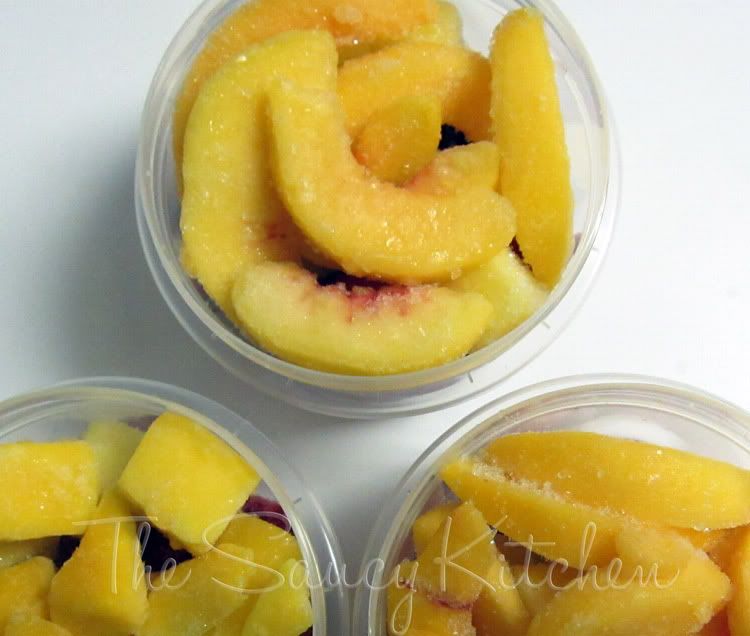
First, I start with store bought frozen fruits. Whatever you like or is on sale at that particular time. Pineapples, mangoes, peaches, strawberries, blueberries, raspberries and cherries - anything goes. Instead of storing each bag in the freezer separately (taking up a lot of awkward freezer real estate), I make easy two cup mixes on the weekend. It's the perfect serving size for two smoothies and allows you to mix and match the fruits so that your smoothie can be a different flavor each day of the week. It also allows for faster assembly in the am. I keep our fruit cups nested on the door so it's an easy grab when I need one.


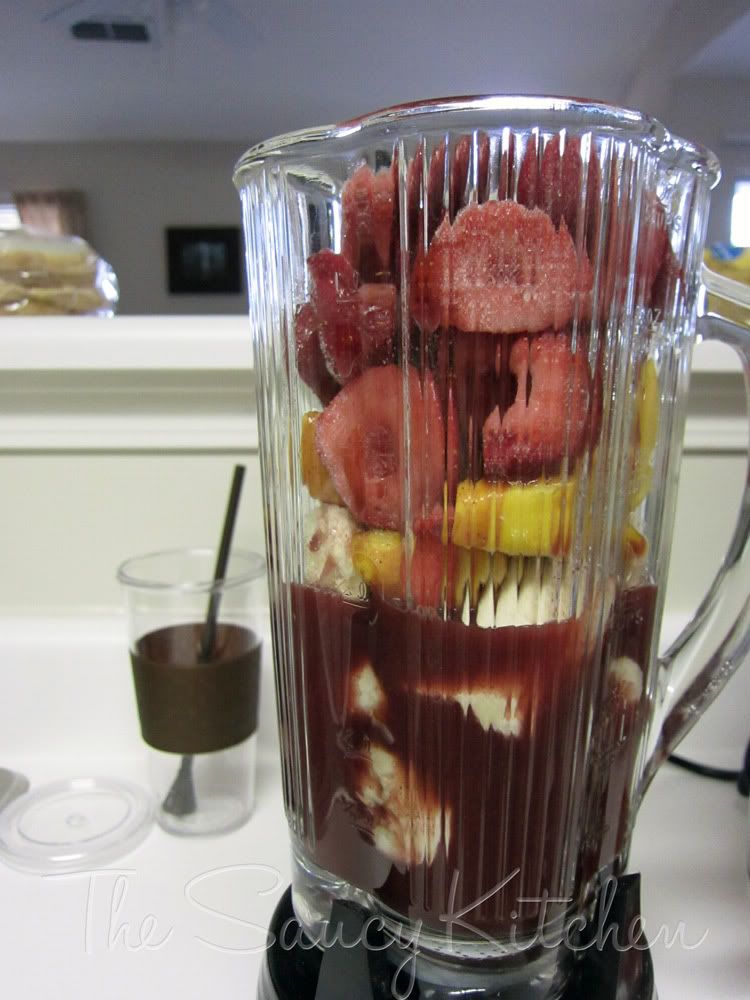
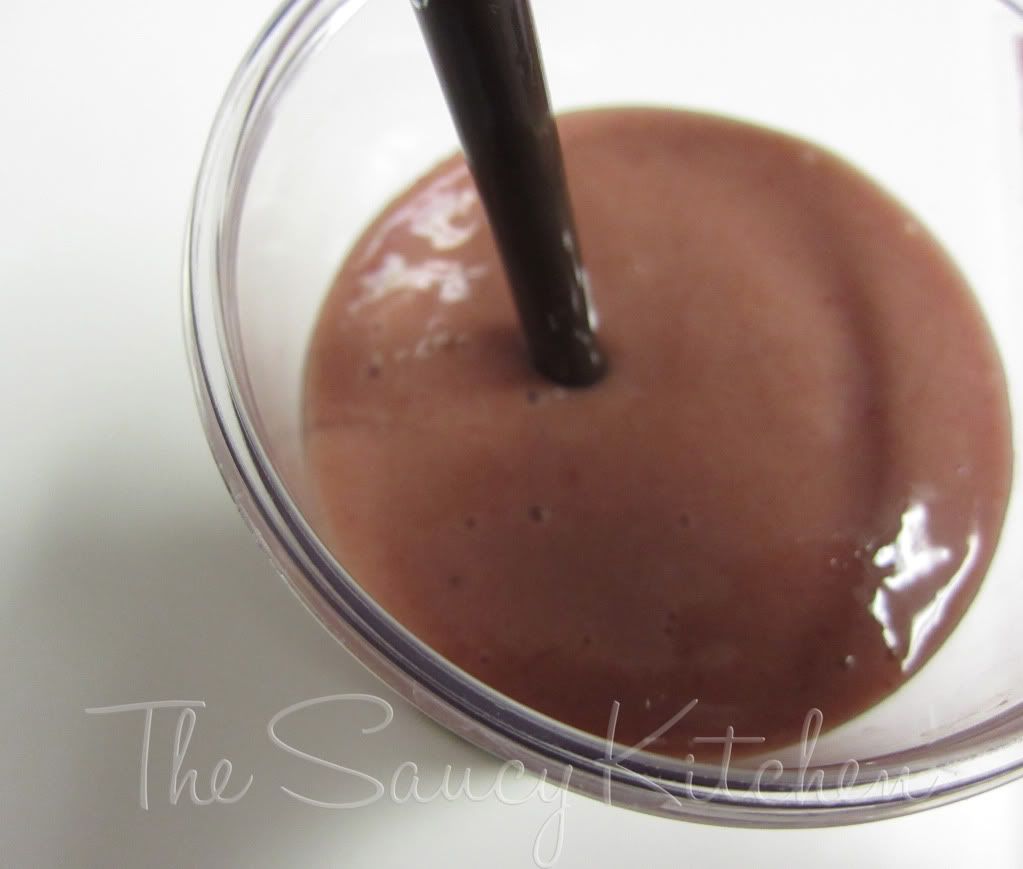
I start by throwing two bananas (peeled) into a blender. I then throw the frozen fruit from the serving cup on the top of the banana. I top this with Acai juice until it is about half way up the side of the blender, or just about covering the bananas. Put the lid on and blend on low for about 30 seconds and then bumping up to high until everything is smooth.


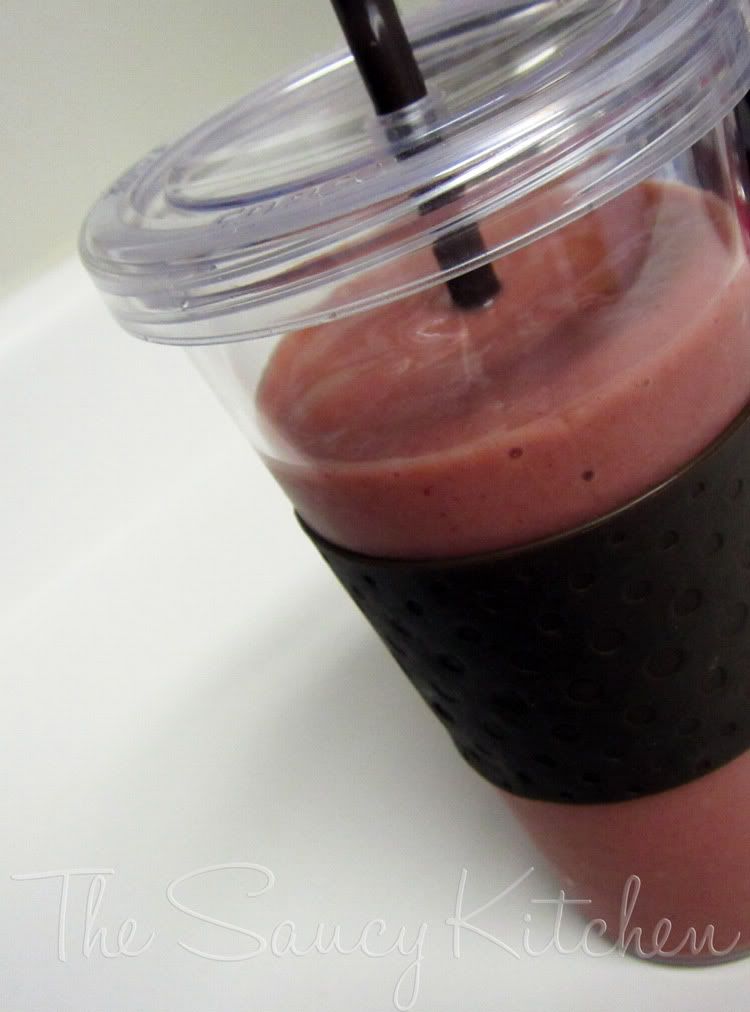
Pour into glasses or travel cups (we picked these up at BBB) and you're all set for a quick and easy breakfast.


Kitchen Lifesaver: Chicken Stock

We use chicken stock for all sorts of things: sauces, risotto, casseroles, just to name a few so it's always good to have on hand. It's so expensive to buy ready-made in the box (and even the low sodium contains more than this does - which is none), and so cheap to make at home that it's one of those things we just can't justify spending our grocery money on.

To start, freeze chicken remains/carcasses as you purchase them. Keep the bones, the skin, any remaining meat. Discard the innards. We usually get two whole chickens at a time, but need four to get a good, hearty stock. We just keep the two in the freezer until we get the second two to make the stock. Thaw all the chickens in a large stock pot. 


Add the veggies and herbs. We use:
1 large onion, quartered
4 carrots, peeled and cut in half
4 ribs of celery, cut in half
1 leek, white part only, cut in half lengthwise
10 sprigs fresh thyme
10 sprigs fresh parsley with stems
2 bay leaves
8 to 10 peppercorns
2 whole cloves garlic, peeled


Add 30 cups of water to the pot. Once you have added 24 cups, take a mental note of the water level. Ours is usually somewhere around the steamer basket we use to keep all the goods submerged.


Simmer, simmer, simmer. But DO NOT BOIL! In the first hour, you'll see scum (gross white stuff in picture) bubble to the surface. Strain this off the top with a fine mesh strainer and discard. Keep an eye on it for the first hour or so to make sure you keep it at a simmer (not a boil!) and to remove the scum.


Simmer for 6-8 hours. If the water level gets to about that 24 cup mark you made a mental note of, add a bit of water. Don't add to much or it will reduce the concentrated flavor of the stock, but try and keep it around 24 cups total. Once you are at the 6-8 hour mark, the stock has reduced down to the 24 cup mark, test to see if the stock is done by fishing out a bone. If it breaks easily, the stock is done. Remove from the heat and strain the solids out from the stock*.

To cool down quickly, have an ice bath prepared in a large cooler. Place the strained stock container directly in the cooler and cover the lid. For even faster cooling, we stick plastic bottles in the freezer filled with water and place directly into the pot and then place in the cooler. Once the temperature lowers, you can place the stock pot it the refrigerator. Leave in the fridge overnight and remove the fat from the top the next day.

To keep for longer periods (if kept in the fridge, 2-3 days is the maximum), store in the freezer. For easy storing, that's also organized, follow the instructions below:


Place plastic zip top bags into plastic containers. I like the blue top, screw on lid containers from Zip-Loc as they are the perfect size for two cups of stock.


I prefer to measure the stock as it goes into each container/bag because that way we know when thawing how much we need to pull from the freezer. We usually throw in a couple 1 cup quantities as well.


Once the two cups is in the bag, seal the bag and fold into the container. Seal with the lid and place in the freezer.


Once the stock is frozen, you can remove it from the container and they will keep their shape, allowing you to easily keep them stacked and organized in the freezer without monopolizing all your Tupperware.

*If you are adventurous, keep the bits of meat that are strained from the stock. It makes a delicious chicken salad, although it takes a bit of patience to remove from the bones.

Kitchen Lifesaver - Ready-Made Salads

On weeknights, we sometimes have problems getting dinner on the table at a decent time. Sometimes one or both of us work later than usual and we found ourselves eating at 8:30 or even 9. Because of that, on nights that we are home early and have some time, we make salads ahead of time. It works for us because we often eat salads with dinner and having the first course ready helps us get the main part of the meal done faster.


It's pretty straight forward. We chop up all the lettuce with a lettuce knife (no metal knives hear kids - it turns the salad ends brown) and wash and dry it using a salad spinner. Then we place it in a container with paper towels on the top and bottom. We can use this up to a week usually without it going bad. This alone saves us a ton of time.

Also, if we have salad one night, and know we are going to be eating salad the next night, we'll portion out bowls for the second night as well. Making four salads really takes no more time than two, but to bring out all the veggies again and chop the small portion up the second time can really be time consuming. So, we take 4 bowls, fill them with the pre-washed, pre-chopped lettuce and then add the toppings that will keep well overnight, like cucumbers, olives, mushrooms, and peppers to all four salads. Then, we place plastic wrap over two of them and place them in the fridge.


We'll then top the two salads for that night with the things that don't keep as well, like avocados and feta. We add these things to the day two salad on the night we eat them, since they don't keep well. It's a great time saver, and while I would prefer a freshly prepared salad, I like doing this because it allows us to have salads on days when we wouldn't have time to prepare one. What are some time saving tricks that you do to make your meals come together easier/faster?

Kitchen Lifesaver - Our Weekly Menu


Each week, we post (on the board above) a list of the meals for that week. It's a rough outline. Unless we have very complicated or ingredient heavy sides, we typically don't list them unless there is room, or we wanted to make sure they got eaten that day. Broiled asparagus, grilled corn, even I can remember those, but the main dish goes up there, so we know what to take out of the freezer and what to start when we get home exhausted from a day's work.

We try and save the more complicated meals for the weekends and make quick and easy meals during the week. We try and keep in mind what is in the freezer - too much chicken stock and we make risotto, too many beans and we have burritos, etc.We also try and keep in mind leftovers. Usually one day we leave blank for leftovers or a meal made from the hodge podge of items we have remaining from the other meals.This week, some of Nick's family is in town and we are going out to dinner with them, so we've left one space for that as well. 

I had no idea that creating this weekly menu would be such a lifesaver. I never have to think about "What's for dinner?" because I already know. We can prep ingredients or meal components earlier in the week or weekend so that life is easier during the week. For example, Nick usually makes all the bread (or at least the dough) for the week on the weekend. And grocery shopping is easier and more economical when we go prepared.

What do you do to streamline your meal prep during the week?